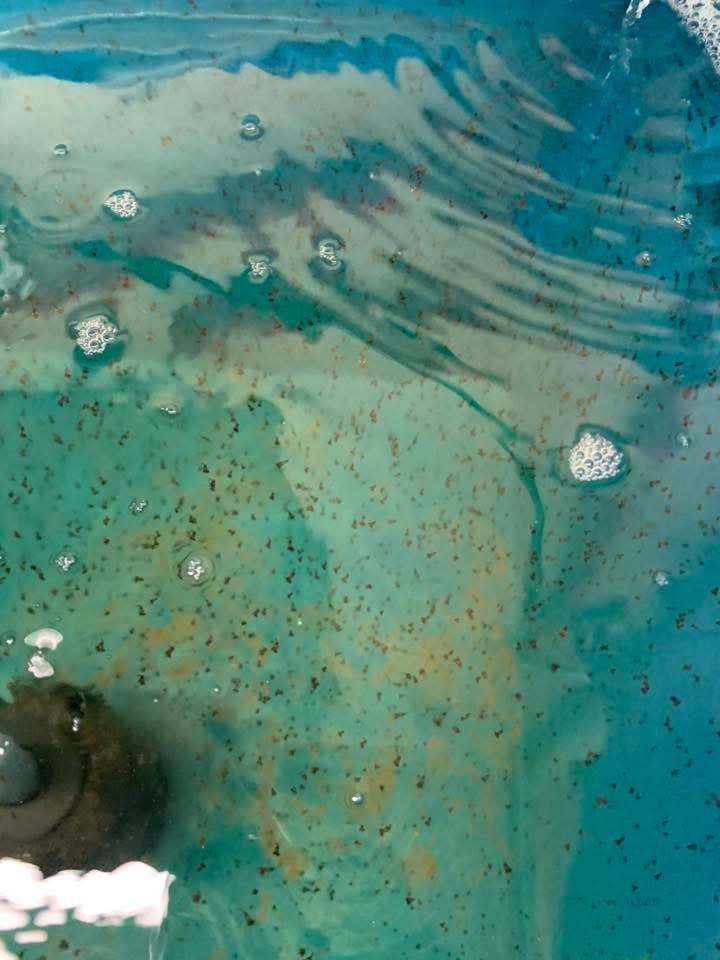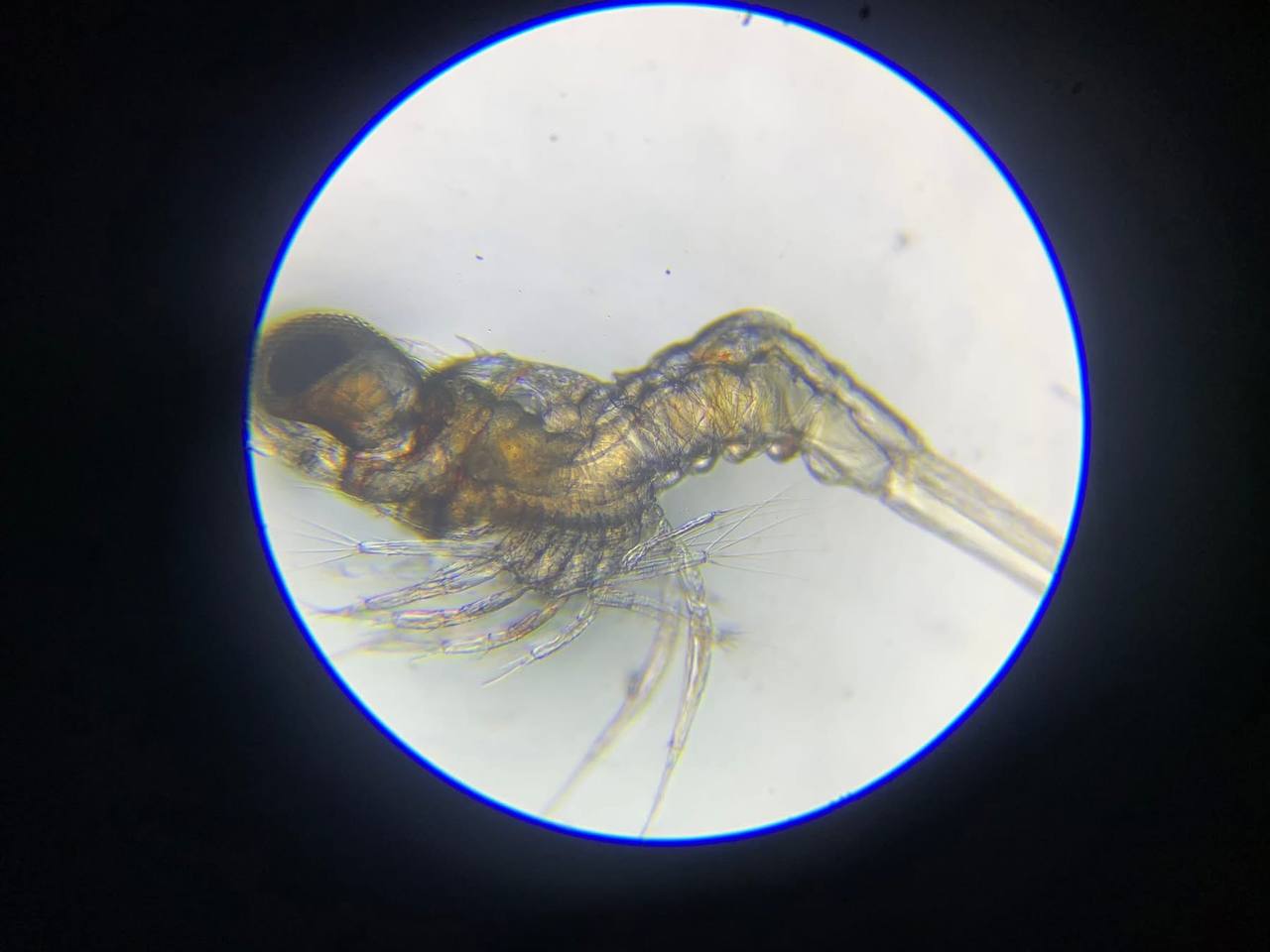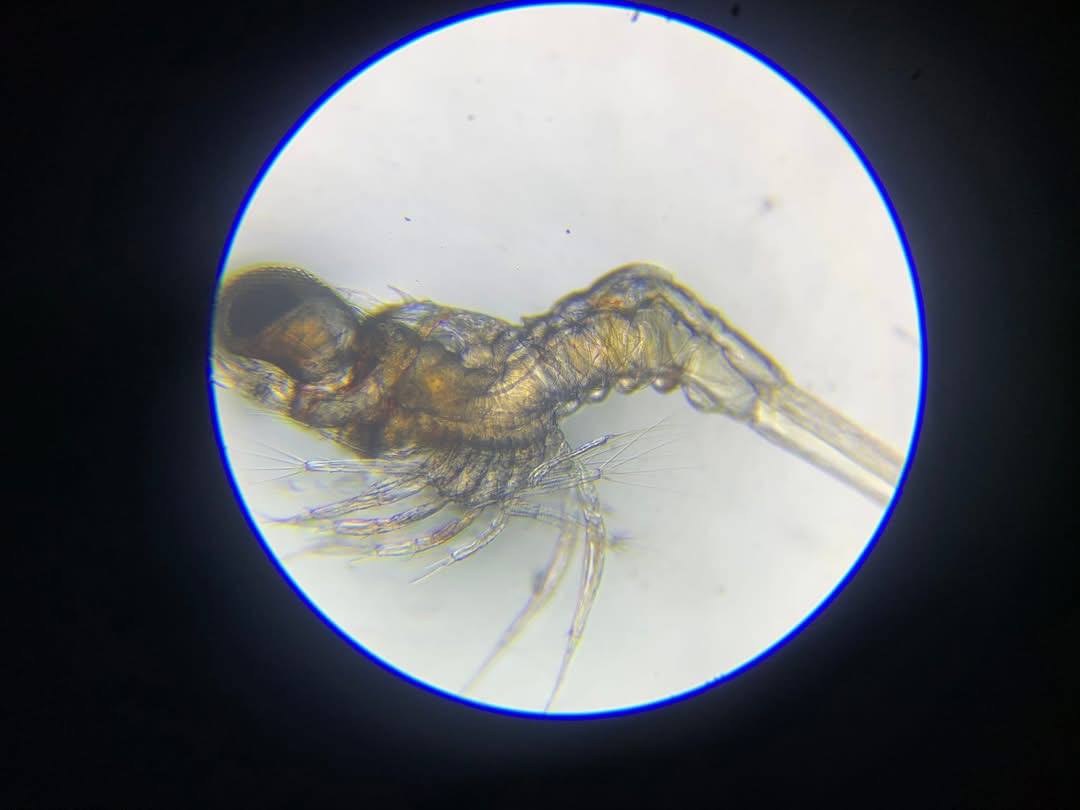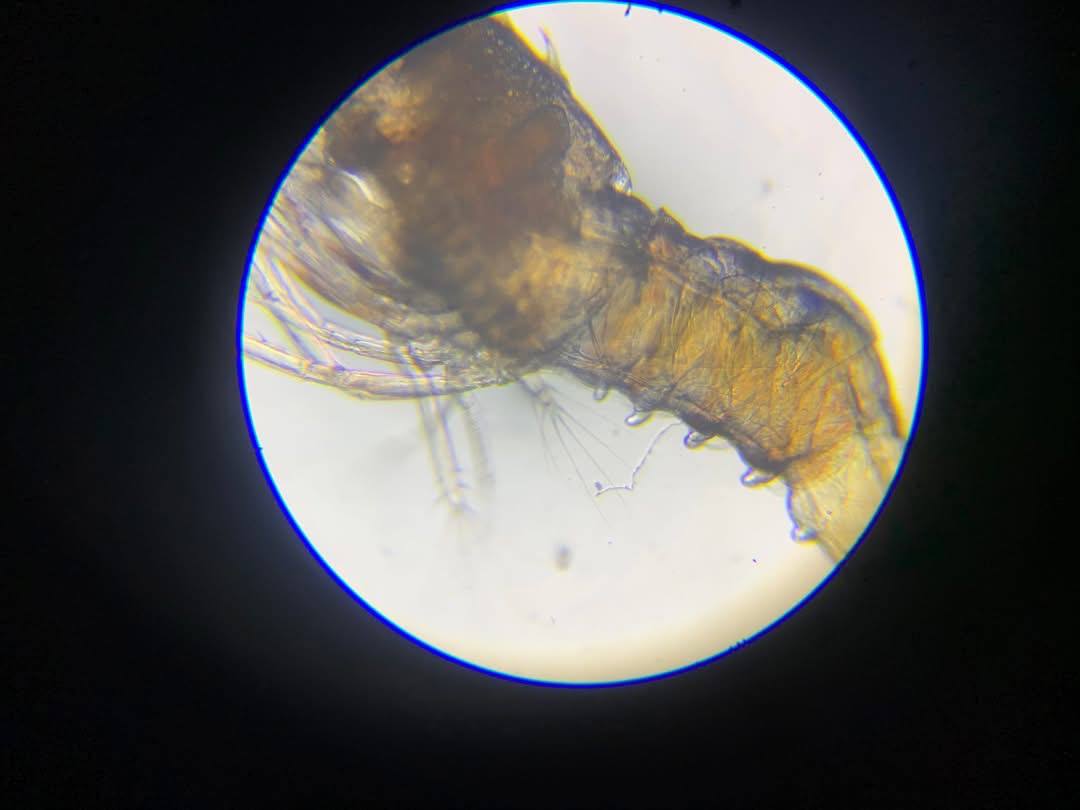
Giant river prawn hatchery
Support through the whole cycle — from larva to post-larva
- The hardest stage — we go through it with you
- Equipment, water and feeds — set up for you
- Daily control of water, temperature and salinity
- Consulting support 24/7
What is included
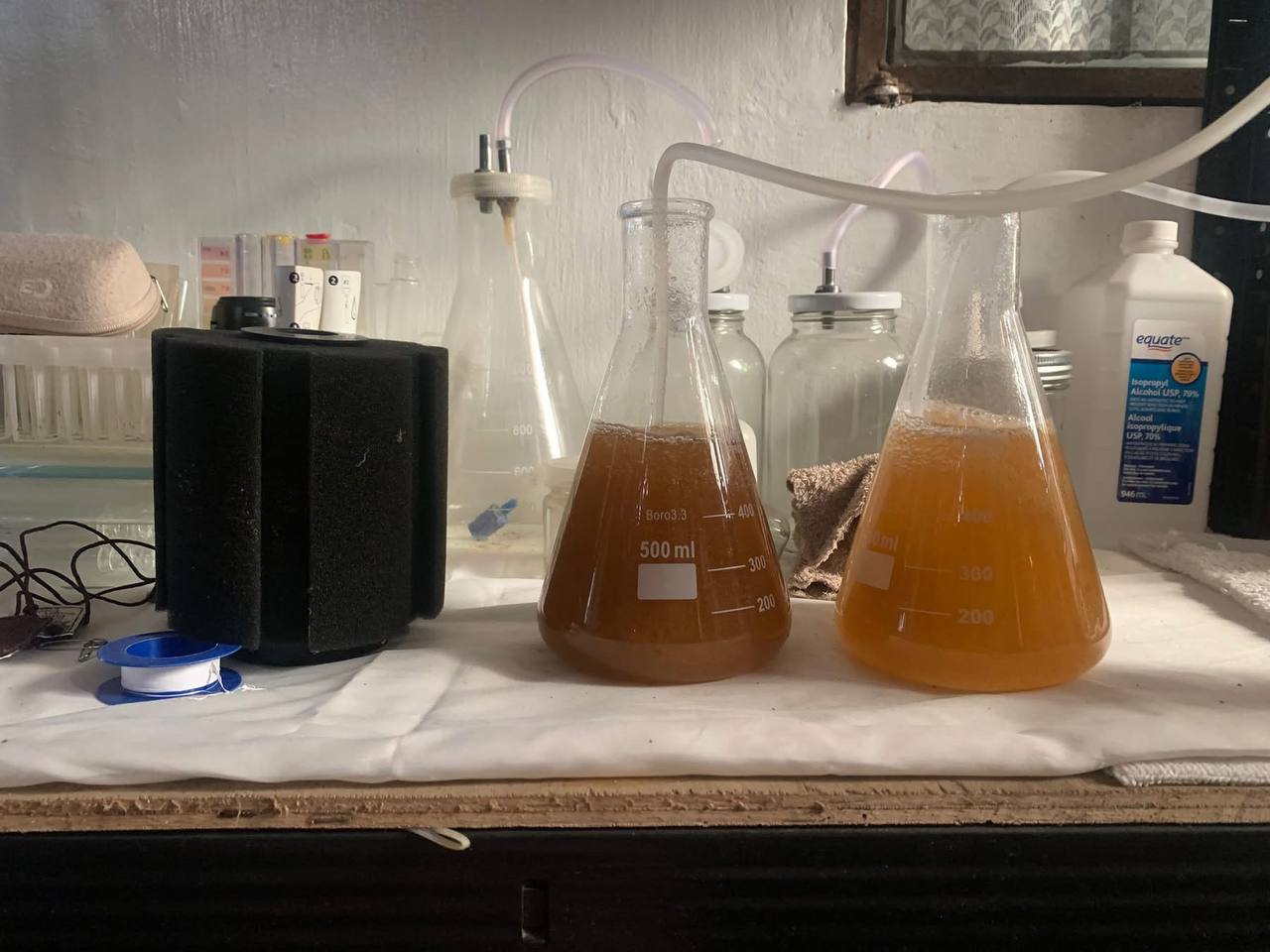
- Selection and setup of incubation equipment
- Development of an effective water treatment and biofiltration system
- Formulation of the correct live and dry feed line for each development stage
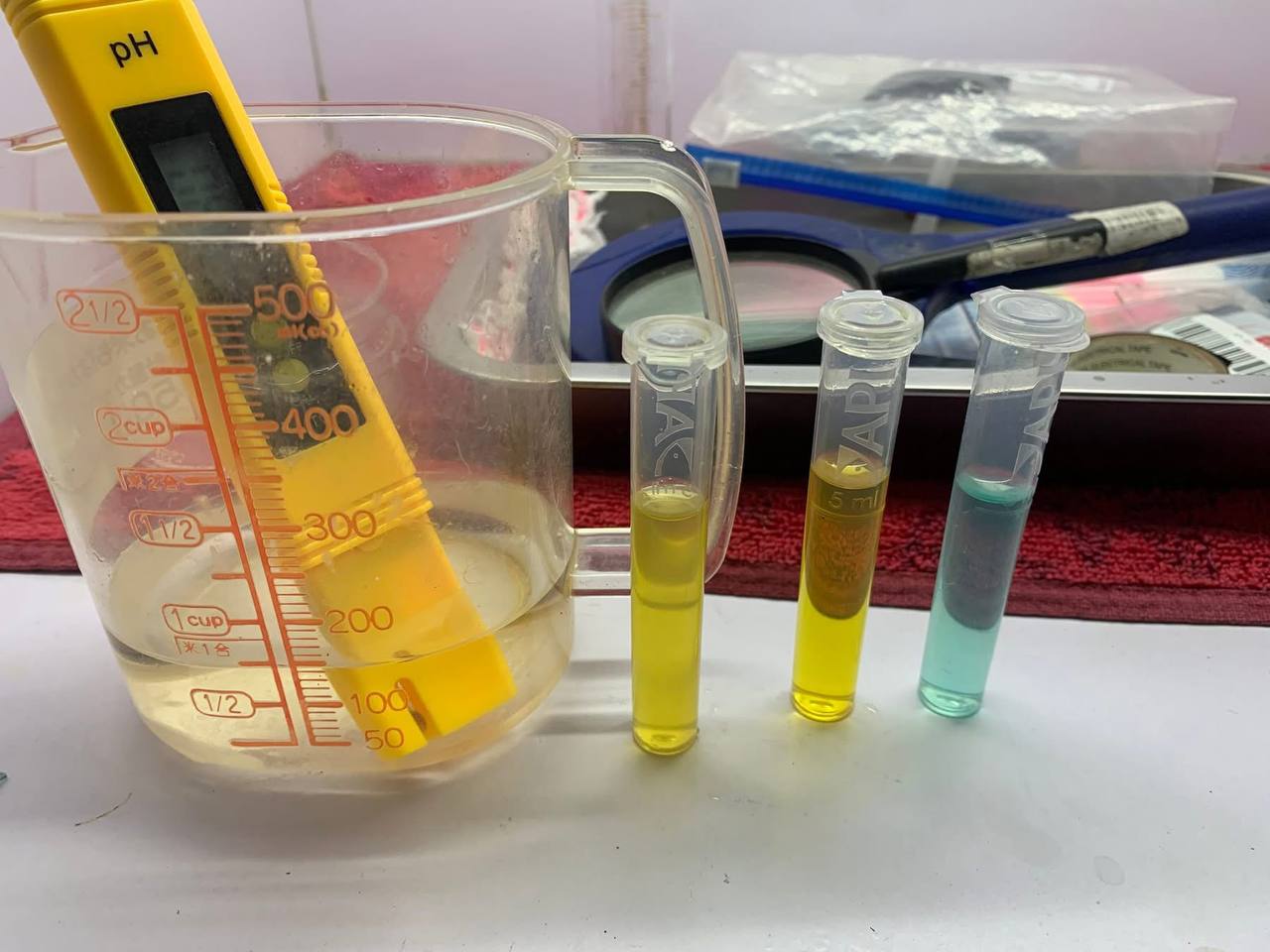
- Daily monitoring and analysis of key water parameters
- Adjustment of temperature regime, salinity, aeration, and stocking density
- Prevention of stress, cannibalism, and mass larval mortality
- 24/7 consultation support and prompt resolution of technological issues
About the service
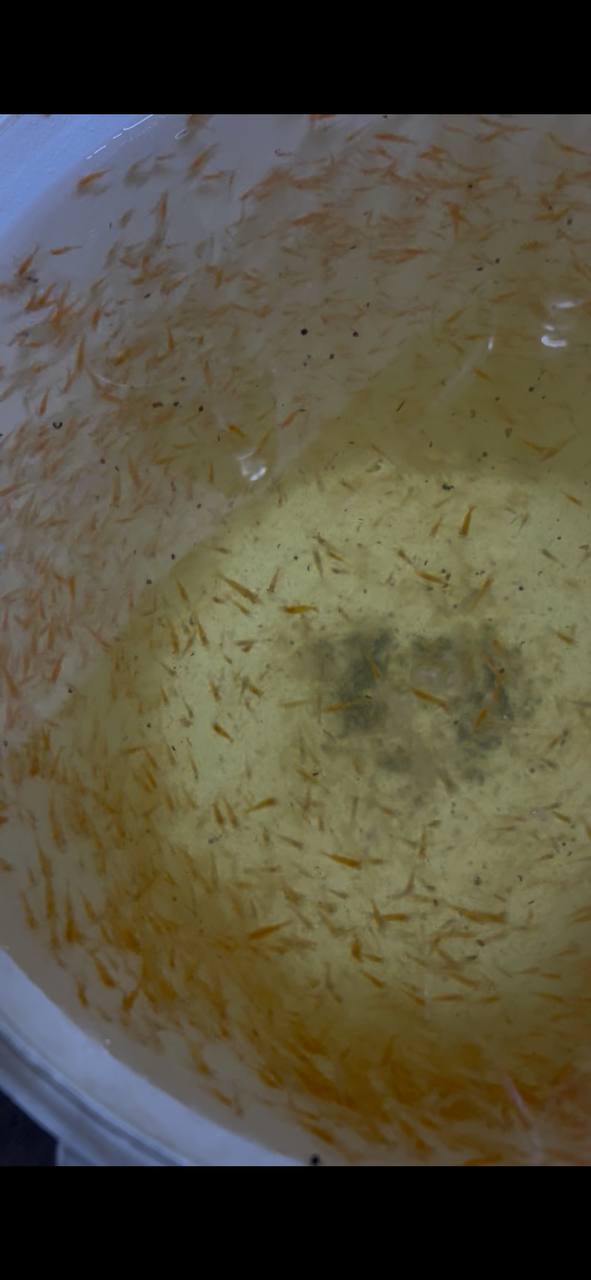
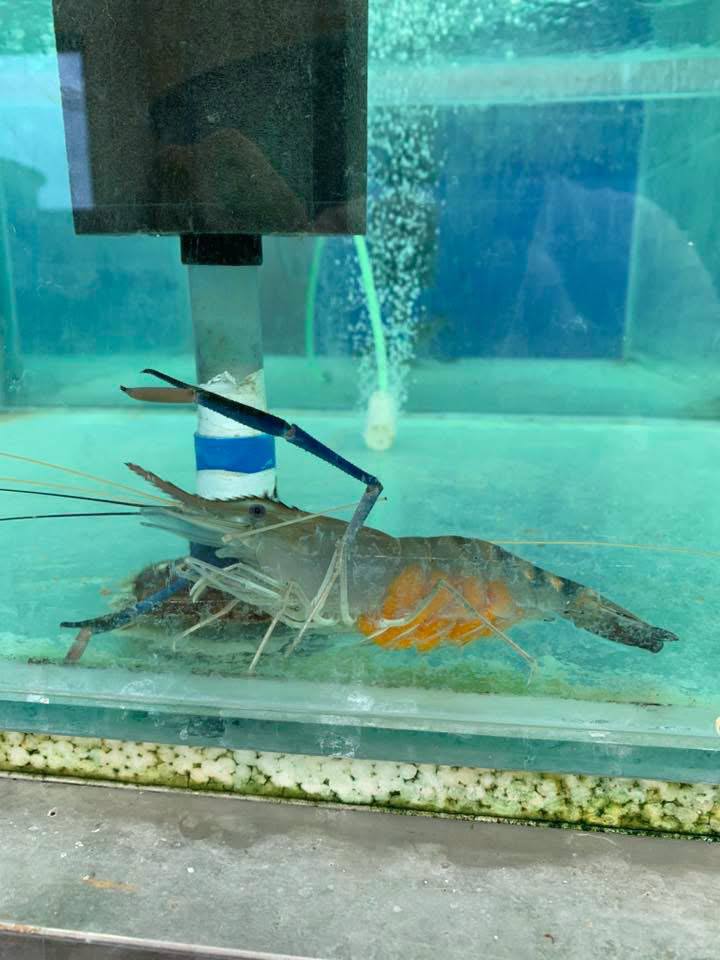
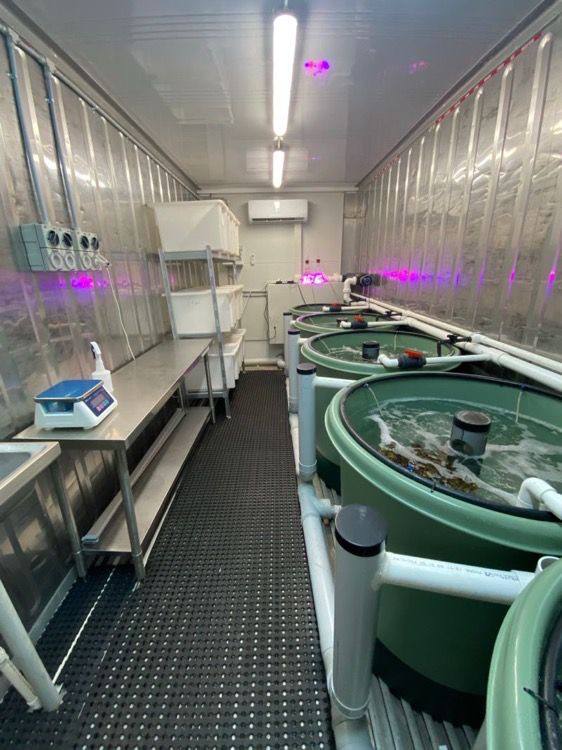
Full support of the Macrobrachium rosenbergii incubation cycle, from receiving the larvae to the first post-larva (PL). This is the hardest stage of the whole technology and the point where farms most often lose a batch. The work covers selection and setup of incubation equipment, design of the water treatment and biofiltration system, a live and dry feed line for each development stage, daily monitoring and analysis of the key water parameters, adjustment of temperature, salinity, aeration and stocking density, and prevention of stress, cannibalism and mass larval mortality. Consultation support runs 24/7 with prompt answers on technological questions. The result is a steady output of healthy post-larvae ready for grow-out.
Frequently asked questions
How long do the giant river prawns take to grow?
About 4 months to market size.
Do I need experience or a degree?
No. The technology and the training come together with the farm.
What can go wrong?
The main risk is a power cut: without electricity the aeration stops and the water stays cold for a long time. Losses from cannibalism are already in the calculation: survival is 70–80 %.
Photos from our farms